
Healthcare

The healthcare sector is undergoing a profound transformation, in which quality of care, system sustainability, technological innovation, and patient-centeredness must evolve together. Hospitals, local health authorities, community healthcare facilities, and care systems now need ecosystems capable of integrating spaces, services, data, and technologies in order to improve accessibility, operational efficiency, and continuity of care.

The industry challenges.

  • TO-BE-Flussi

    Flow management and waiting lists

    One of the main critical issues in healthcare concerns access to services, which is often slowed down by long waiting lists and uneven response capacity. This directly affects the perceived quality of the system and the ability to ensure timely and equitable care.
  • TO-BE-ISO-9001

    Staff shortages and organizational pressure

    Healthcare must deal with a structural staff shortage, worsened by the aging of professionals and the growing demand for care. This creates organizational pressure, management difficulties, and the risk of reduced service quality.
  • TO-BE-Digitalizzazione

    Digitalization and interoperability

    Digital healthcare offers enormous opportunities, but it also poses challenges related to interoperability, security, standardization, and the ability to integrate different systems. Electronic health records, telemedicine, platforms, and digital tools must be able to communicate smoothly in order to generate real value.
  • TO-BE-Decisioni

    Data, quality, and decision support

    The healthcare system generates a large amount of clinical, operational, and managerial data, but it does not always succeed in turning it into useful information. The challenge is to move from a performance-based logic to an outcome-oriented approach, with tools capable of supporting more effective decisions and better patient outcomes.
  • TO-BE-Interoperabilità

    Economic and infrastructural sustainability

    Healthcare sustainability is under pressure from rising costs, increasing demand for care, and the need for investment in people, facilities, and technologies. The system must therefore improve resource use without compromising quality, accessibility, and safety.
  • TO-BE-Human-Centric

    Patient experience and environmental quality

    The quality of care does not depend only on the treatments provided, but also on the overall experience lived by the patient. Orientation, accessibility, comfort, clarity of information, and environmental quality influence perceived well-being, adherence to care pathways, and trust in the facility.
Tailored solutions

We design unique experiences tailored to every need.

1

Digital health and integrated infrastructures

To address the challenge of digitalization, platforms are needed that can connect data, services, and clinical and organizational processes within a single ecosystem. The goal is to build continuity across hospitals, community care, telemedicine, electronic health records, and patient services.

  • Integration between clinical and organizational systems.
  • Continuity between physical and digital care.
  • More effective management of healthcare processes.

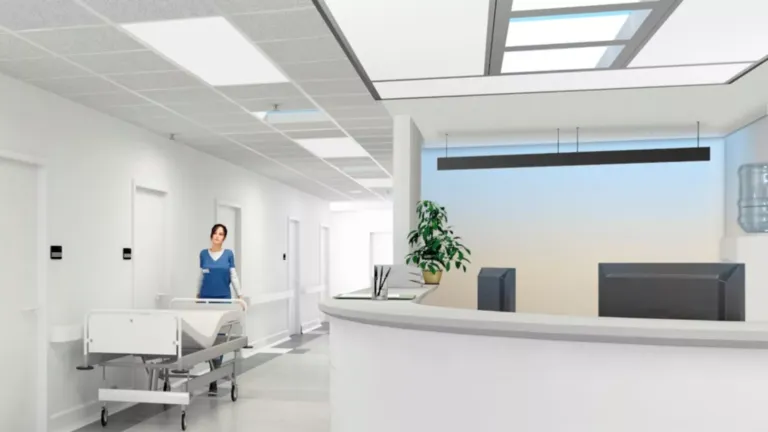
Accessibility and wayfinding

A more accessible healthcare system requires tools that help patients and visitors navigate pathways, departments, and services. Wayfinding, location-based services, and contextual information can reduce stress, search time, and the burden on reception and support services.

  • Navigation to departments, clinics, and services.
  • Reduced disorientation.
  • Better access experience within the facility.

2
1

Support for professionals and teams

To respond to organizational pressure, tools are needed that simplify processes, flows, and internal communication. Dashboards, monitoring systems, and digital solutions can reduce operational workload and support doctors, nurses, and technical-administrative staff.

  • Greater support for clinical and managerial work.
  • Reduction of operational inefficiencies.
  • Reduction of operational inefficiencies.

Analytics and decision support

Data analysis can help the healthcare system anticipate critical issues, understand needs, optimize resources, and better guide decisions. This makes it possible to work not only on the quantity of services delivered, but also on the quality and outcomes of care.

  • Useful data for planning and governance.
  • Better understanding of needs and performance.
  • Faster, more outcome-oriented decisions.
2
1

Continuity of care and community-based services

To reduce disparities and pressure on hospitals, a stronger network is needed between community care, prevention, neighborhood medicine, and home care. Integrated solutions help build a more continuous, accessible, and sustainable care pathway.

  • Greater continuity between hospital and community care.
  • Reduction of inappropriate access to hospitals.
  • Care pathways closer to the patient.

Efficiency and sustainability

Smart technologies, automation, and better resource management can help make the system more efficient and sustainable. The goal is to improve the use of spaces, time, staff, and infrastructure without reducing quality of care.

  • Optimization of resources and processes.
  • Greater economic and managerial sustainability.
  • Better balance between quality and response capacity.
2
1

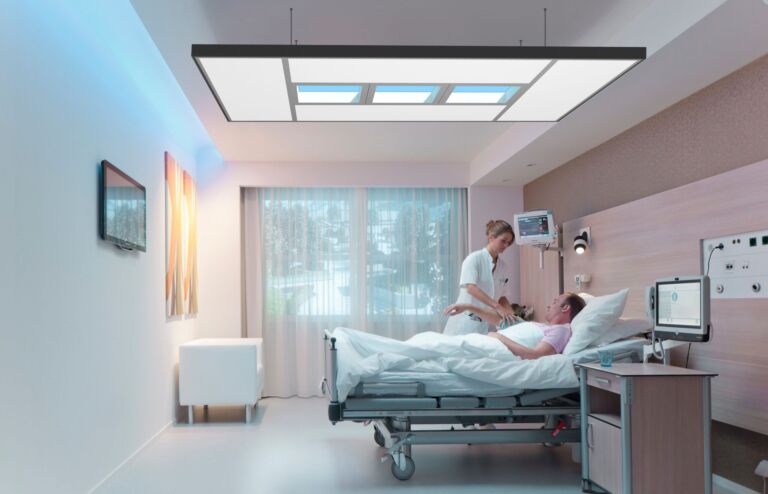
Well-being and environmental quality

Healthcare environments must be designed to reduce stress, improve comfort, and make the patient experience easier to understand. More welcoming, clear, and well-organized spaces improve both the patient stay and the quality of staff work.

  • Greater comfort for patients, caregivers, and staff.
  • Reduced environmental stress.
  • Better perceived quality of service.

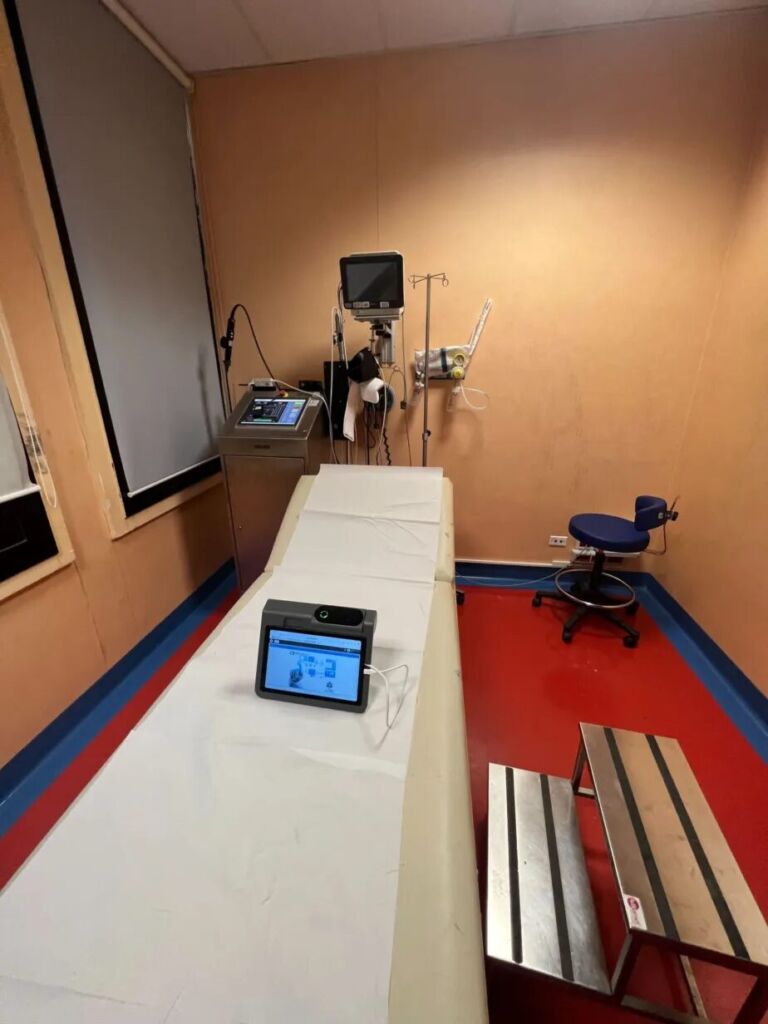
Lighting and connectivity

Lighting and connectivity can become strategic levers for improving experience, information, and the quality of healthcare services. Well-integrated connectivity supports data access, digital services, and operational continuity, while lighting quality can contribute to well-being, legibility, and the overall quality of time spent in care spaces.

  • Support for digital services and information flows.
  • Greater well-being and environmental quality.
  • A clearer, smoother, and more contemporary healthcare experience.
2

Discover the technologies

When lighting becomes infrastructure.

LiFi Geolocation

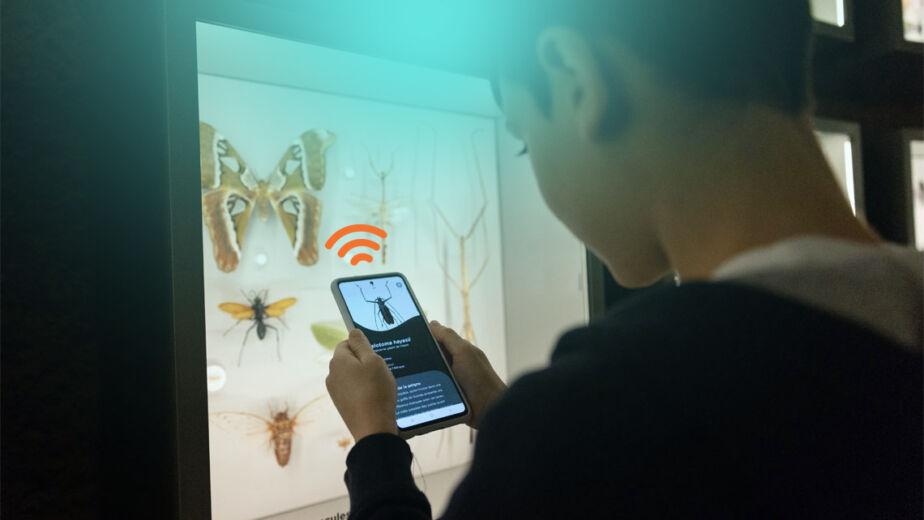
Turn every light fixture into an information source.

For enhanced visitor experiences and flow management

LiFi Surfing

Bidirectional network connection system via infrared.

For sensitive areas.

LiFi Point-to-Point

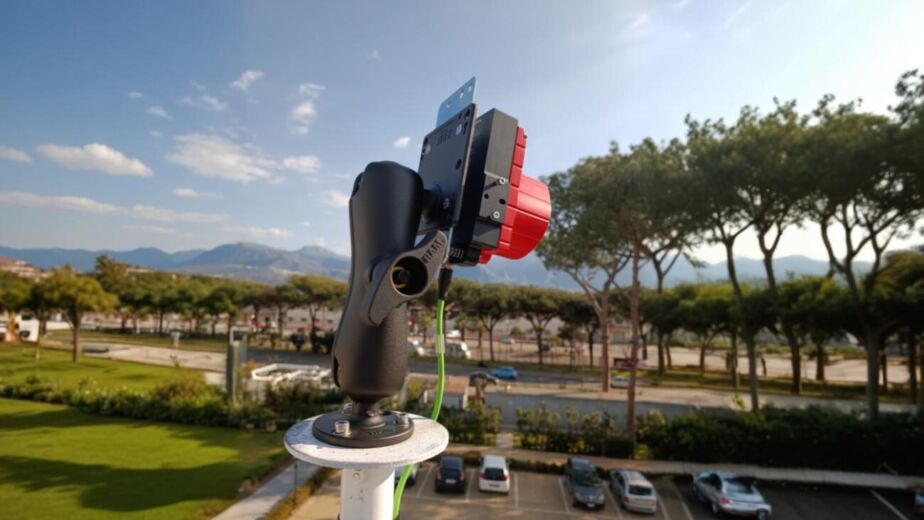
Point-to-point communication system via infrared, usable both indoors and outdoors, without wiring.

For sensitive areas.

Natural Light

Circadian lighting.

For the well-being and performance of patients and staff.

Sound-Absorbing Design

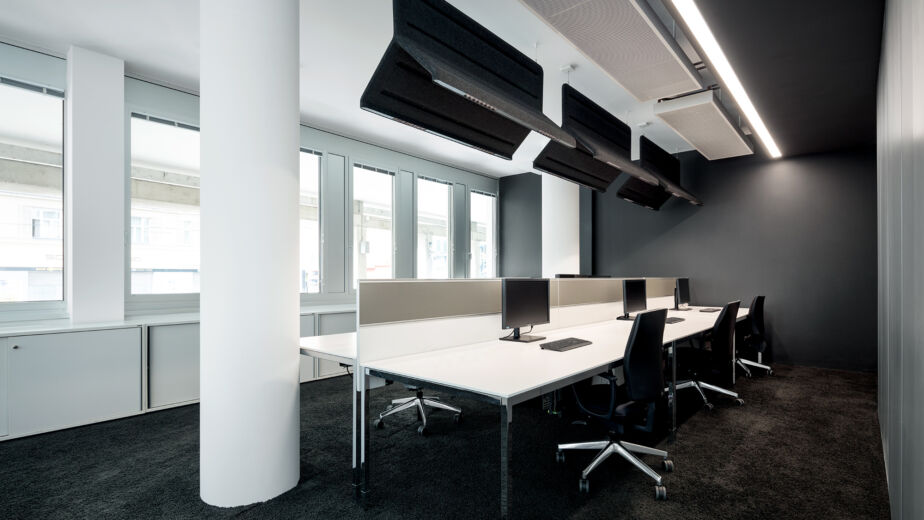
Lighting with integrated acoustic insulation.

For comfort and privacy.

Architectural Lighting

Impactful lighting scenarios for both indoor and outdoor spaces.

Hospital façades and facilities to enhance branding and support wayfinding.

BMS Systems

Impactful lighting scenarios for both indoor and outdoor spaces.

For personalized areas and beds, and smart space management.