
Cultural Heritage
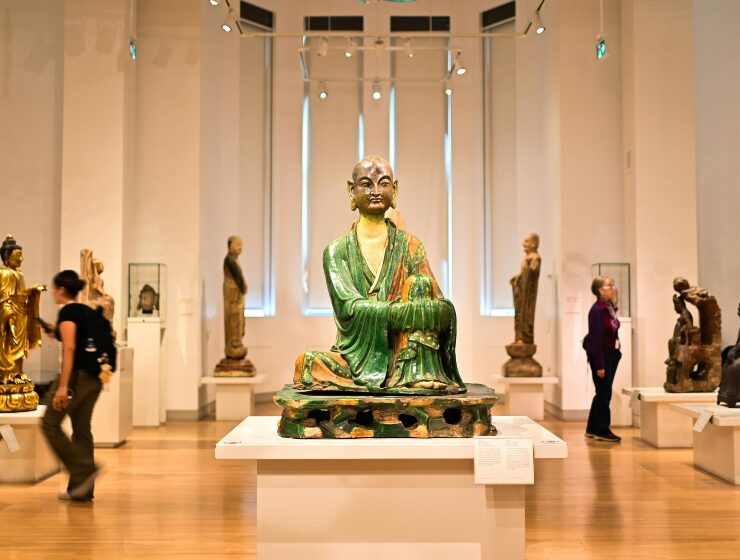
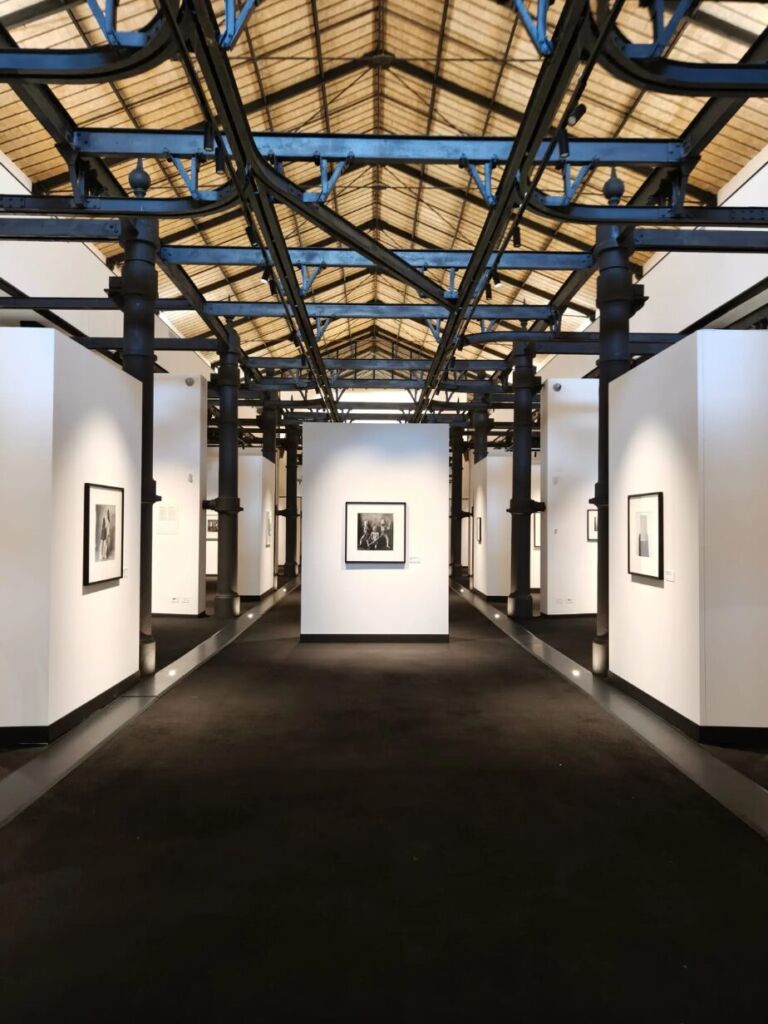
The cultural heritage sector is currently facing a complex transformation, in which heritage preservation, accessibility, innovation, and quality of experience must coexist without compromising the identity of places. Museums, archaeological sites, and historic spaces need solutions capable of respecting physical and regulatory constraints while at the same time broadening audiences, improving the readability of content, and introducing new forms of engagement.
The industry challenges.
-
Architectural constraints
One of the main critical issues in the sector is the relationship between protected heritage and technological innovation. In many historic buildings, excavations, cabling, wall chases, drilling, or invasive installations are not compatible with preservation constraints, making it difficult to adopt traditional infrastructure. -

Accessibility
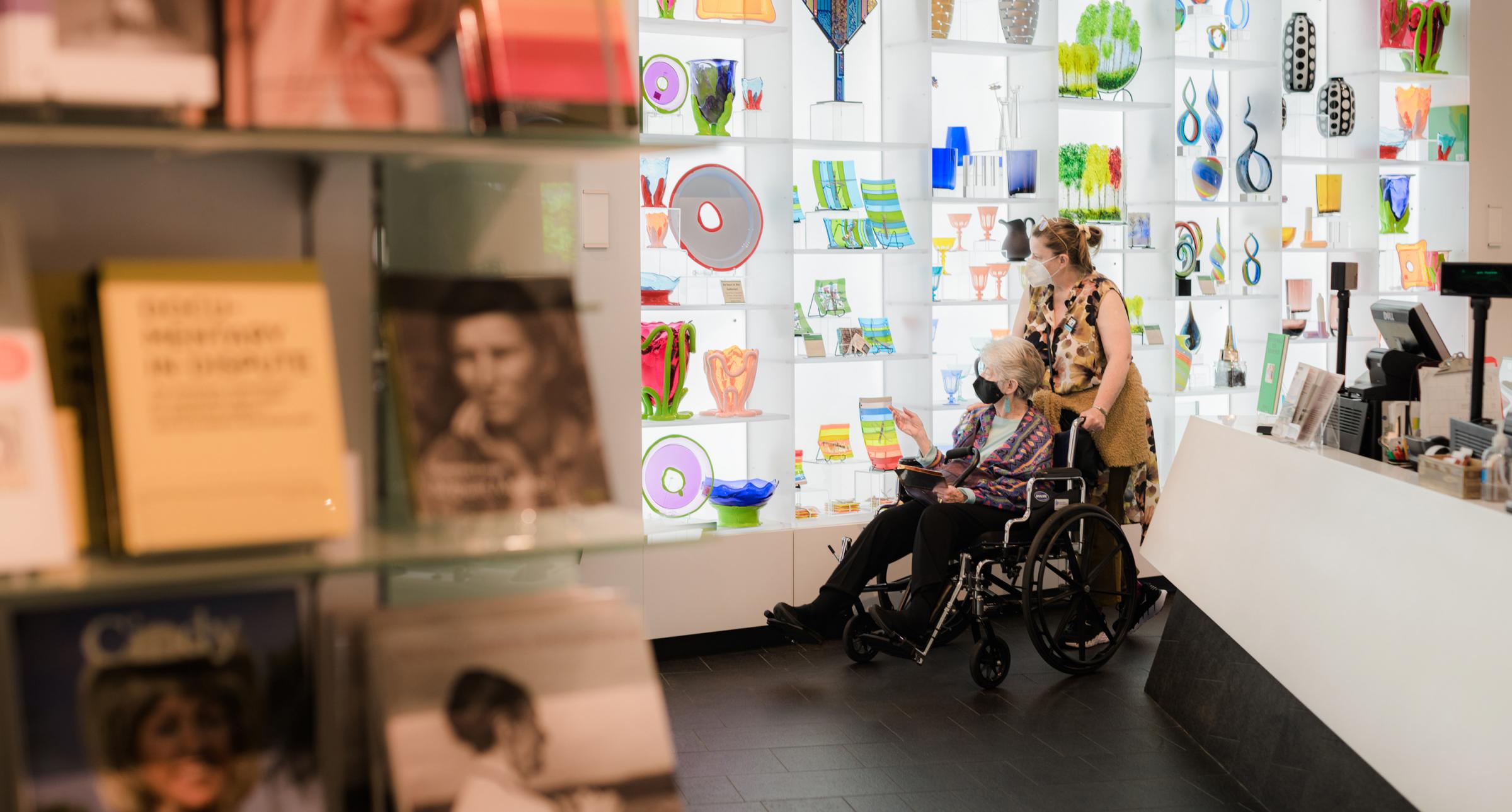
Accessibility is now both a regulatory obligation and a major cultural opportunity. In cultural heritage settings, it does not concern only the removal of physical barriers, but also the ability to offer orientation, interpretation, and understanding of heritage to audiences with different needs, including people with motor, visual, or sensory disabilities. -

Digital gap
Today’s audiences expect more interactive, multilayered, and connected experiences, while many cultural institutions still struggle to integrate truly effective digital tools. The challenge is not only to introduce technology, but to do so in a way that is useful, consistent with the context, and capable of generating greater engagement, new audiences, and improved management capacity. -

Flow management
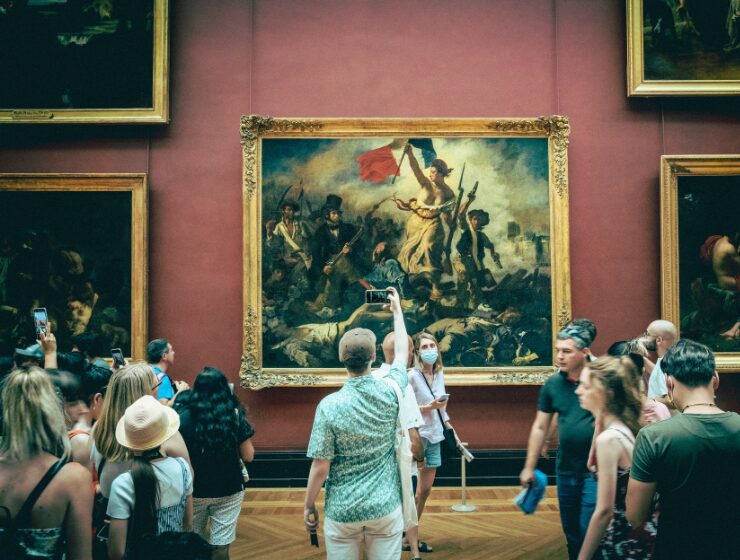
In museums and cultural sites, the distribution of visitors within the space is an increasingly important issue. Without adequate tools, congestion, poorly legible routes, and difficulties in orientation can reduce the quality of the visit and put pressure on already delicate environments. -

Mediation and engagement
Another central challenge is making heritage more legible and closer to contemporary audiences, particularly young people and less specialized visitors. Content must be accessible without becoming superficial, and the experience must combine cultural rigor, emotion, and ease of use.
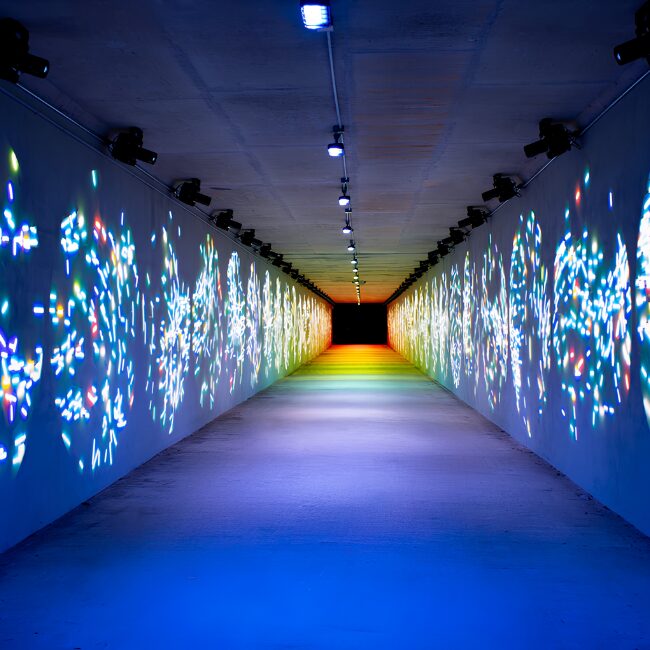



Tailored solutions
We design unique experiences tailored to every need.
Non-invasive technologies
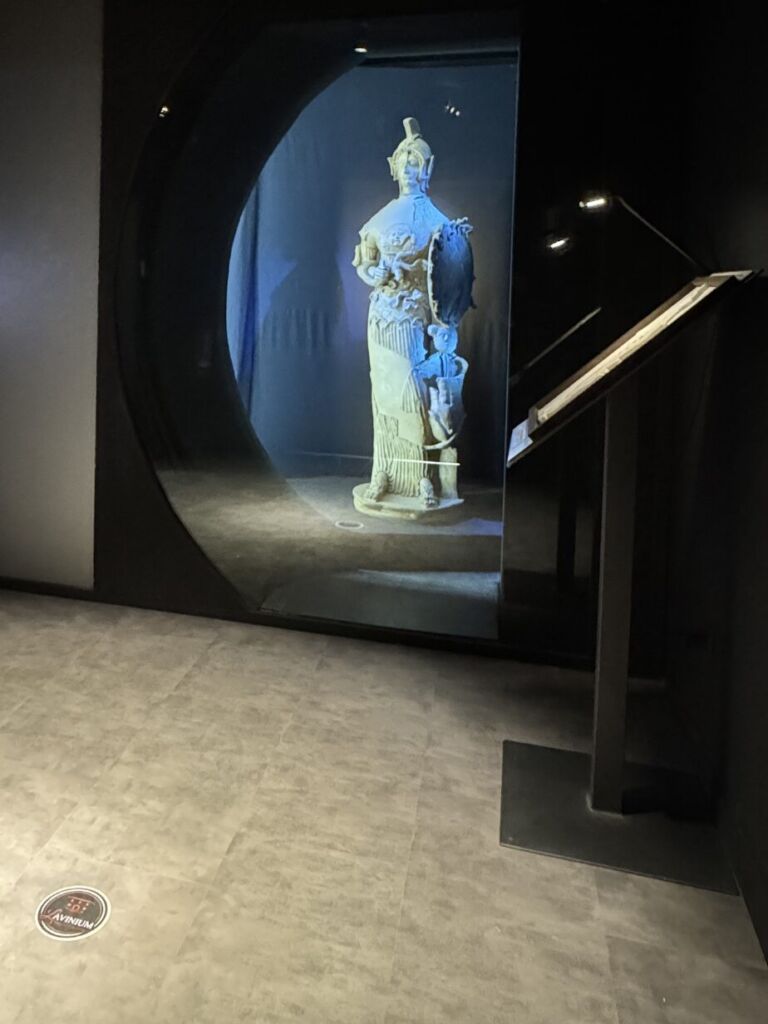
To respond to architectural constraints, lightweight, reversible solutions are needed that are compatible with historic buildings and protected sites. Non-invasive technologies make it possible to introduce services, content, and digital functions without altering the physical structure of the heritage asset, avoiding permanent cabling and interventions incompatible with preservation.
- Reversible installations with no permanent traces.
- Reduced impact on historic buildings and archaeological sites.
- Greater compatibility between innovation and conservation.
Advanced accessibility
Accessibility can be addressed through tools that improve orientation, autonomy, and understanding of the visit. Indoor navigation systems, geolocated audio descriptions, integrated tactile routes, and accessible digital content make the experience more inclusive and more open to diverse audiences.
- Better orientation for visitors with different needs.
- Accessible, multilayered content.
- A more inclusive and autonomous cultural experience.
Digitization of the visit
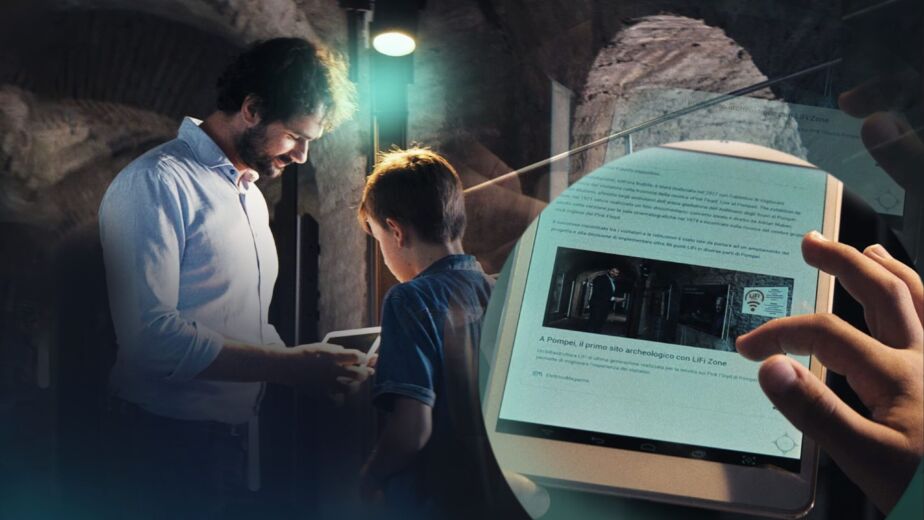
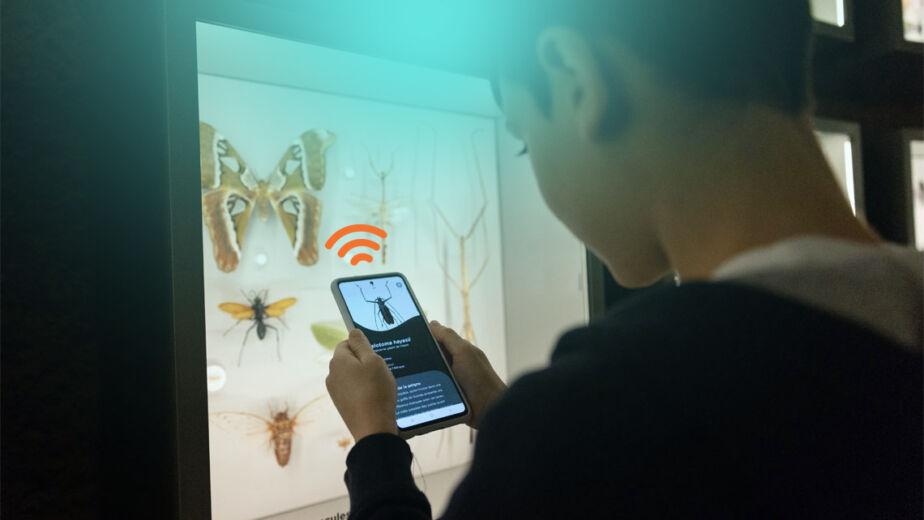
Digitalization can enrich the relationship between visitors and heritage through interactive, geolocated, and contextual experiences. Apps, multimedia content, dynamic routes, and interaction tools make the visit more engaging, increase dwell time, and strengthen the emotional connection with the place.
- A more immersive and contemporary visitor experience.
- Greater audience engagement.
- Expanded audiences and stronger attraction capacity.
Analytics and flow management
Digital tools can also support the internal orchestration of cultural spaces. Real-time analytics, flow reading, and route monitoring help manage crowding, dwell times, and visitor distribution more effectively, improving both preservation and experience quality.
- More effective control of internal flows.
- Reduced congestion in sensitive areas.
- Decision support for space management.
Intelligent cultural mediation
- Greater legibility of heritage.
- Content closer to contemporary audiences.
- Balance between communication, emotion, and rigor.
Lighting, orientation, and connectivity
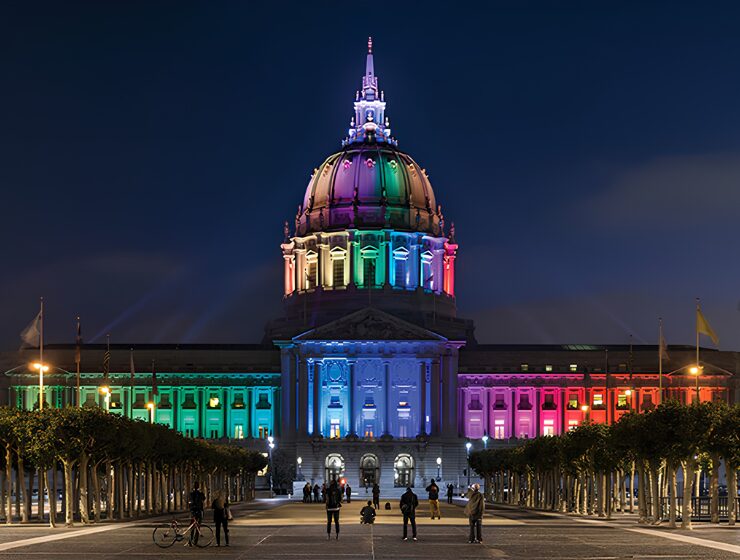
In cultural heritage settings, lighting and connectivity can become active tools for experience and service. Lighting can guide, enhance, and activate content, while connectivity makes it possible to deliver information, digital services, and support functions without burdening the historic context.
- Better orientation within the cultural space.
- Discreet integration between heritage and digital services.
- A smoother, more accessible, and more contemporary experience.
Discover the technologies
Lighting becomes infrastructure.
LiFi Geolocation
Turn every light fixture into an information source.
For location-based services, wayfinding, occupancy insights and the automatic activation of building services.
LiFi Surfing
Bidirectional network connection system via infrared.
For two-way connectivity in workstations, meeting rooms, library areas and communal spaces.
LiFi Point-to-Point
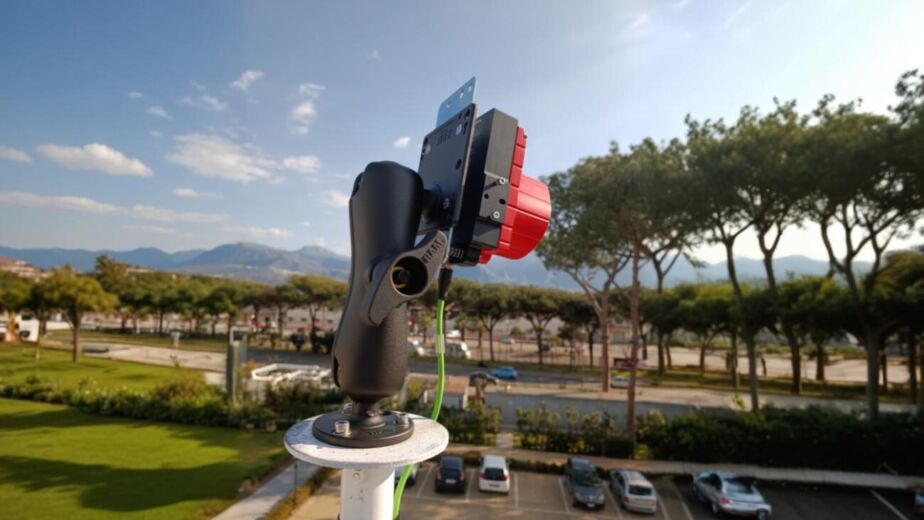
Point-to-point communication system via infrared, usable both indoors and outdoors, without wiring.
To connect specific indoor and outdoor areas without the need for major building work and with quick integration.
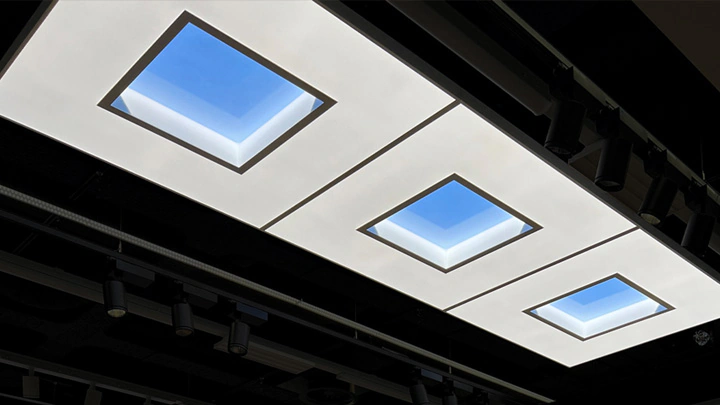
Natural Light
Circadian lighting.
To support occupants’ circadian rhythms, productivity and well-being.
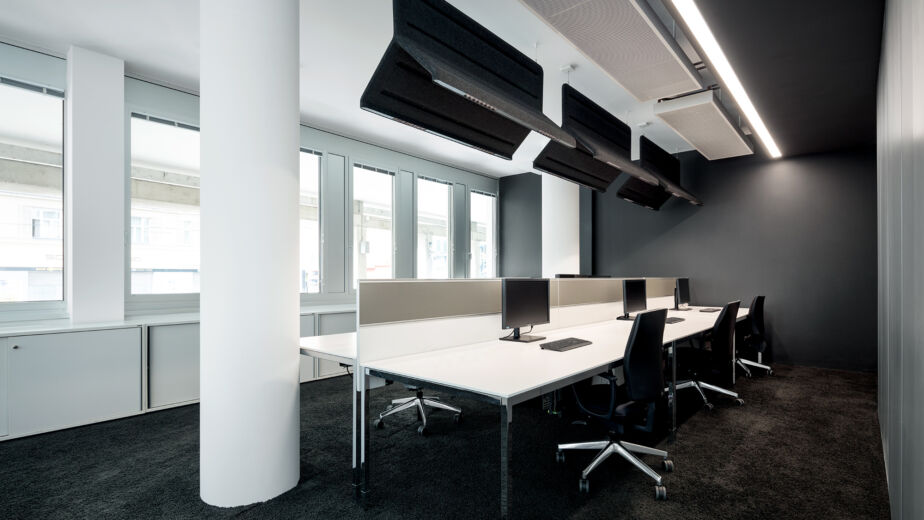
Sound-Absorbing Design
Lighting with integrated acoustic insulation.
To improve acoustic comfort in open-plan offices, phone booths, collaborative spaces and meeting rooms.
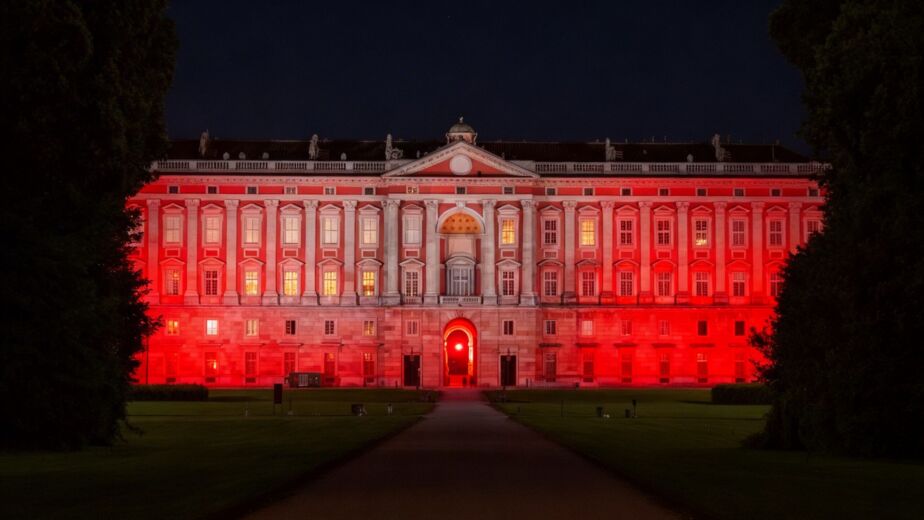
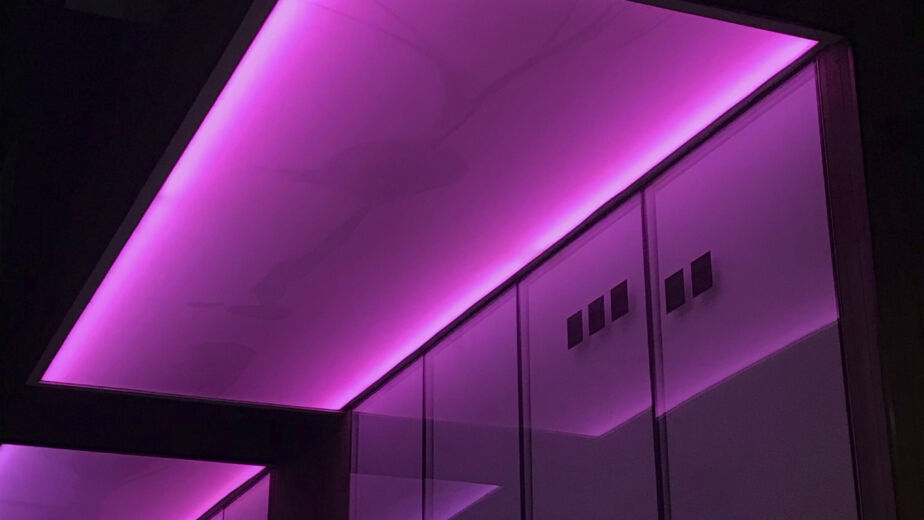
Architectural Lighting
Impactful lighting scenarios for both indoor and outdoor spaces.
For integrated control, automation, energy management, area-specific customisation and smart space management.
BMS Systems
Impactful lighting scenarios for both indoor and outdoor spaces.
For integrated control, automation, energy management, area-specific customisation and smart space management.